
Mike LaCrosse Joins SEON’s Board
SEON (Sustainable Energy Outreach Network) is excited to announce the addition of Mike LaCross to our Board.
Mike LaCrosse Joins SEON’s Board Read More »

SEON (Sustainable Energy Outreach Network) is excited to announce the addition of Mike LaCross to our Board.
Mike LaCrosse Joins SEON’s Board Read More »

ReSOURCE’s Weatherization 101 training program equips work-ready individuals with the skills to enter the weatherization field
This six-week, workshop intensive provides tool handling, safety techniques, and technical knowledge for entering high-paying jobs in the weatherization trade
Weatherization 101 Training Read More »
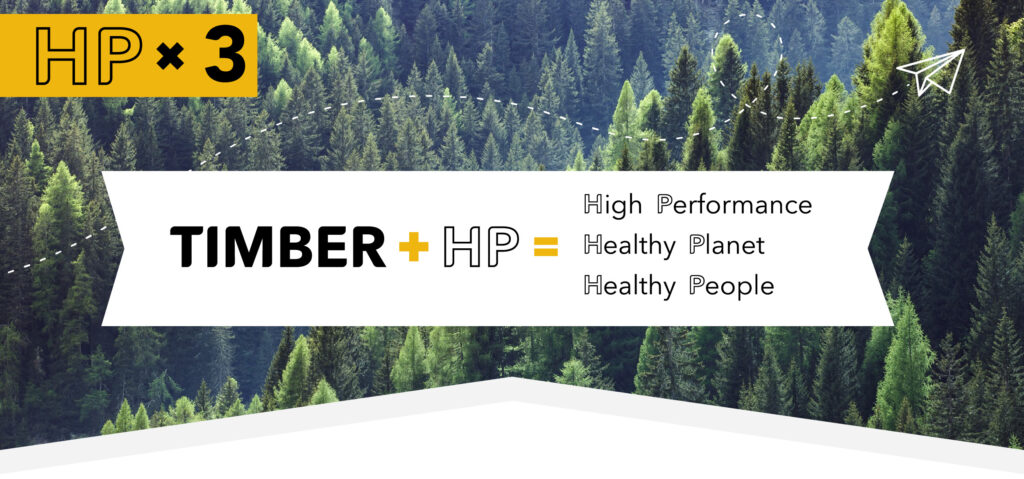
GoLab’s new product—TimberFill / TimberHP X 3 is here. TimberFill is the only recyclable, renewable, non-toxic, and carbon negative insulation. It offers superior building envelope, thermal and acoustic performance. It is safe, moisture managing and sound absorbing. Recommended by: SEON (Sustainable Energy Outreach Network)
GoLab’s new product—TimberFill is here. Read More »
SEON is the receipt of a $5,000 grant from the Vermont Community Foundation’s Advisory “Modesty is our Best Quality Fund”
SEON receives Vermont Community Foundation grant Read More »

We are pushing against the tide in our building industry. For example, “Why should I be certified or spend money to take additional courses?” is a statement by far too many builders. They’ve lost the essence of what it means to be part of a tradition of this “noble profession” that in other countries value the contributions and ongoing learning within the trades. These overseas training traditions live by the root word of profession – “profess” – the expression of a code, a code of ethics that embodies lifelong learning, mastery, and mentorship.
Skill and Knowledge Gap within the Building Industry Read More »

Interview questions to help you select a builder/contractor that has shown that they’re keeping up with the latest in high performance building.
Interviewing Your Building Professional Read More »

Learn about this 9-week Construction Business Bootcamp!
Construction Business Bootcamp Read More »
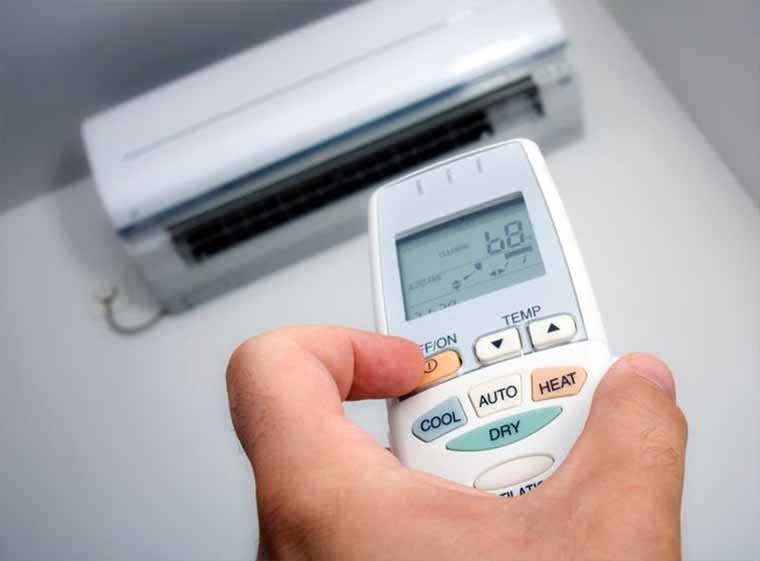
How to buy a heat pump system? SEON answers the questions you need to know – and gives you the questions you need to ask. For those living in the New England and Northeast region. (Special thanks to Efficiency Vermont)
How to buy a Heat Pump System Read More »
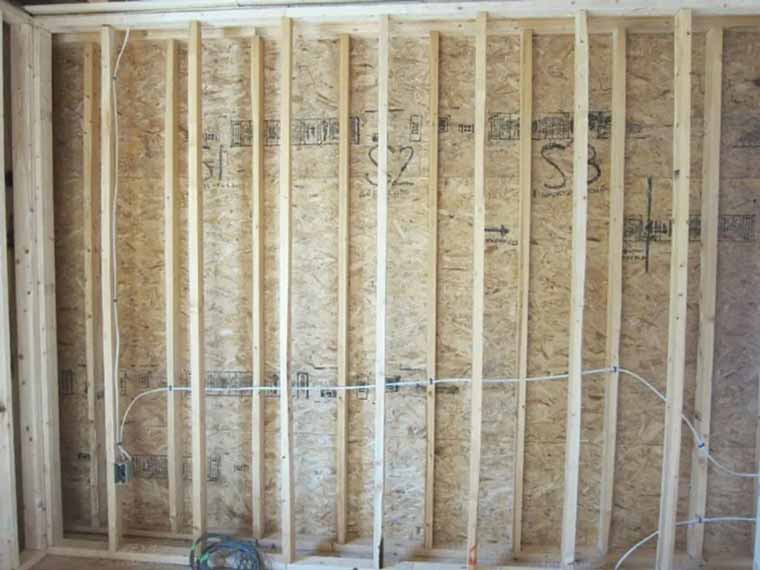
Most wood-framed buildings have no insulation on the exterior side of the wall sheathing. Material, usually plywood or oriented strand board (OSB), but sometimes wooden boards, installed on the exterior of wall studs, rafters, or roof trusses; siding or roofing installed on the sheathing—sometimes over strapping to create a rainscreen. That means that the wall sheathing gets cold and wet during the winter.
Monitoring Moisture Levels in Double-Stud Walls Read More »
RESFEN can help consumers and builders pick the most energy-efficient and cost-effective window for a given application, whether it is a new home, an addition, or a window replacement. It calculates heating and cooling energy use and associated costs as well as peak heating and cooling demand for specific window products. Users define a specific “scenario” by specifying house type (single-story or two-story), geographic location, orientation, electricity and gas cost, and building configuration details (such as wall, floor, and HVAC system type). Users also specify size, shading, and thermal properties of the window they wish to investigate. The thermal properties that RESFEN requires are: U-factor, Solar Heat Gain Coefficient, and air leakage rate. RESFEN calculates the energy and cost implications of the window compared to an insulated wall. The relative energy and cost impacts of two different windows can be compared.